My Husband’s Top Under-the Radar Must-dos In Paris
It takes a lot to pry my husband away from sports. A lifelong athlete, he takes as much pleasure in watching rising stars as he does in playing the game himself.
But take him away from a basketball or football game, put him on a plane to Paris, and something shifts. Not soccer. Not football. In Paris, he leaves sports behind and sets out in search of unforgettable experiences—moments he can revisit long after the trip ends. He wanders neighborhoods, tours museums, and takes in every meaningful destination he can fit into a single day.
Here’s what made his list of must-sees for fellow travel lovers:
1. Salsa by the Seine
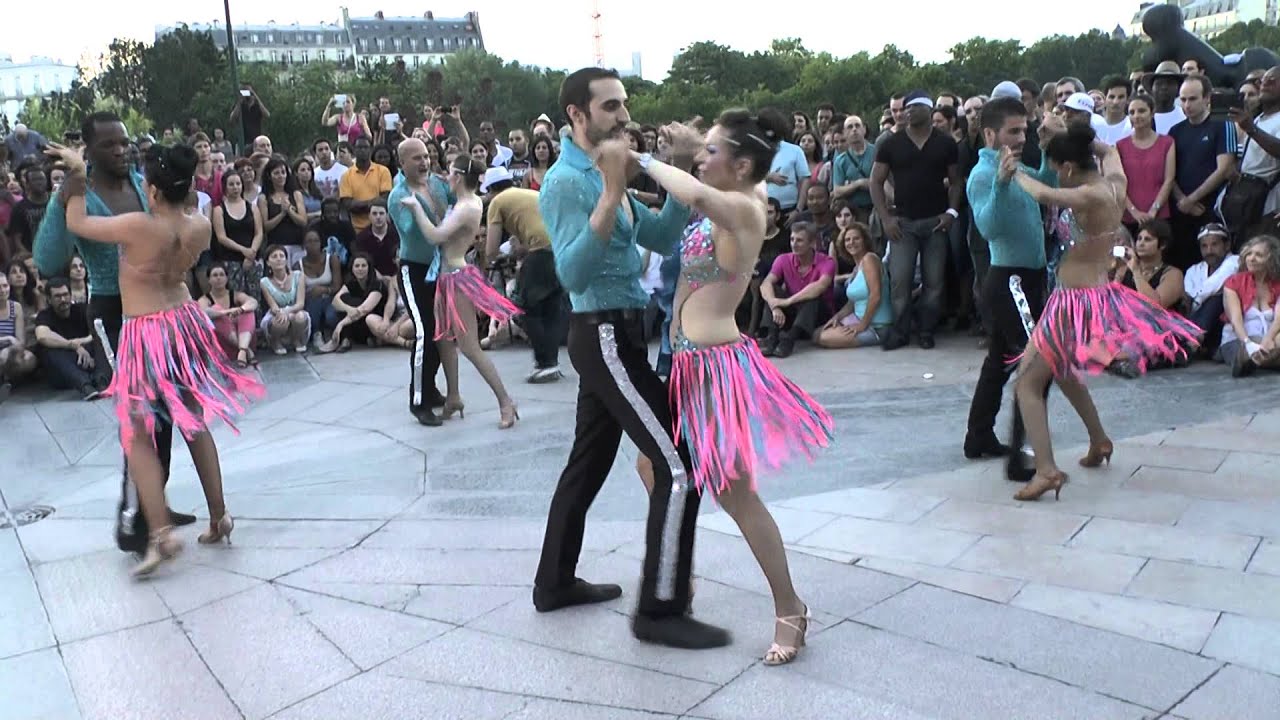
When warm weather arrives, so do the dancers—shimmying, swaying, and moving to the rhythm of the city. In summer, the banks of the Seine transform into a beach-like escape, with sand lining the riverfront and locals soaking up the sun.
But on Thursday evenings near Square Tino Rossi (2 Quai Saint-Bernard), Bailamos Salsa turns the quays into a vibrant open-air Latin dance floor. Starting at 7:00 p.m., DJs spin Cuban salsa, blending in bachata, tango, and kompa to create a festive, high-energy atmosphere under the stars.
Dancers of all levels gather here, united by a love of music and movement, sharing the magic of dancing along the river. Entry is free, though contributions are welcome to support the organizers. Free introductory lessons in salsa or tango are often available.
We bring a picnic basket—and leave with a memory of a perfect Paris evening set to Latin rhythms.
2. Visit Napoleon’s Apartments
Like many visitors, my husband braved the crowds at the Louvre to see the Mona Lisa, the Venus de Milo, and the Winged Victory. But it was a small, easily missed sign pointing to Napoleon’s Apartments that truly caught his attention.
Napoleon’s apartments? In the Louvre?
Yes—but not Napoleon I. These rooms belonged to Napoleon III, the nephew of Napoleon Bonaparte.
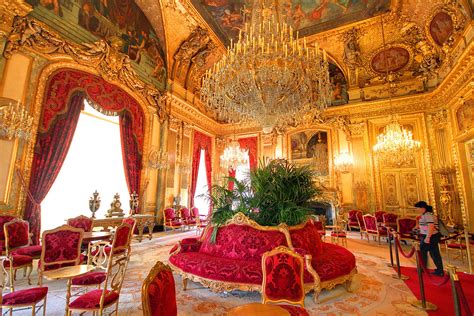
Before it became a museum, the Louvre was a royal palace, home to emperors, ministers, and aristocrats. The palace’s opulent past lives on in the Napoleon III Apartments, located in the Richelieu Wing and designed by architect Hector Lefuel during the Second Empire (1852–1870).
These apartments are a stunning showcase of 19th-century luxury. Eleven lavishly furnished rooms unfold one after another, each more extravagant than the last—filled with velvet, gilding, crystal, and intricate decorative details that reflect the grandeur of imperial France.
The Grand Salon is perhaps the most breathtaking, with its dazzling Baccarat chandeliers and a trompe-l’œil ceiling that evokes the feeling of an open garden. In its time, the imperial dining room could host up to 250 guests for banquets and political gatherings.
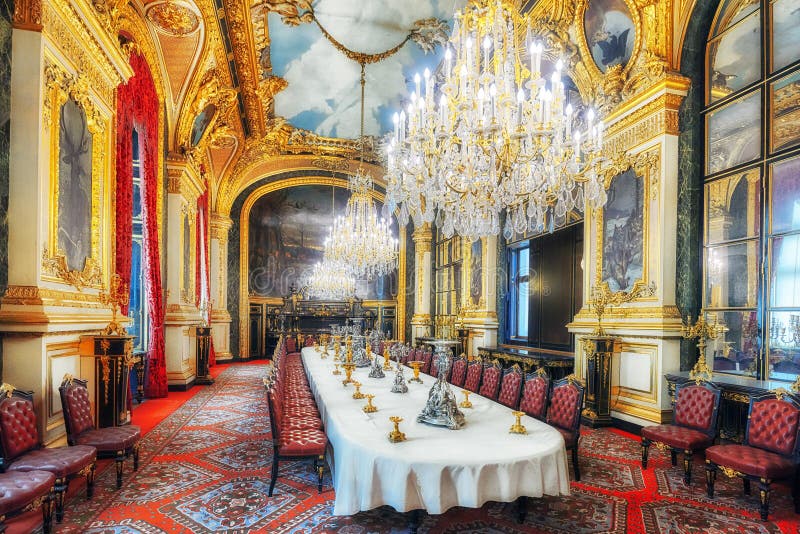
We approached these rooms with curiosity. Who would expect to find an ornate apartment tucked among masterpieces of classical art? A lavish ballroom just steps from Renoir and Gauguin? Rooms layered in gold, velvet, and history?
The apartments offer a vivid glimpse into the opulent lifestyle of the 19th-century French elite. With original furnishings and richly preserved decor, they bring the Second Empire to life—far from the crowds of the museum’s more famous galleries.
Open to the public since 1993, the apartments are located on the first floor of the Richelieu Wing. After entering through the glass pyramid, simply follow the signs for “Appartements de Napoléon III.” They’re often quieter than the main galleries, especially in the late morning or mid-afternoon—making it easier to linger and take in their grandeur.
3. Eat Galettes at Crêperie Ile Saint-Louis
This was one of those perfect by‑chance discoveries. It was raining, windy, the end of a long day, and the last thing we wanted was to dress up for dinner out. We were staying on Île Saint‑Louis at Hôtel Jeu de Paume, just a short stroll from Crêperie de l’Île Saint‑Louis. I’d passed it countless times on my walks through around the island but never really noticed it until a shop owner said it is the best place on the island for takeaway—one of the best in Paris, he insisted.
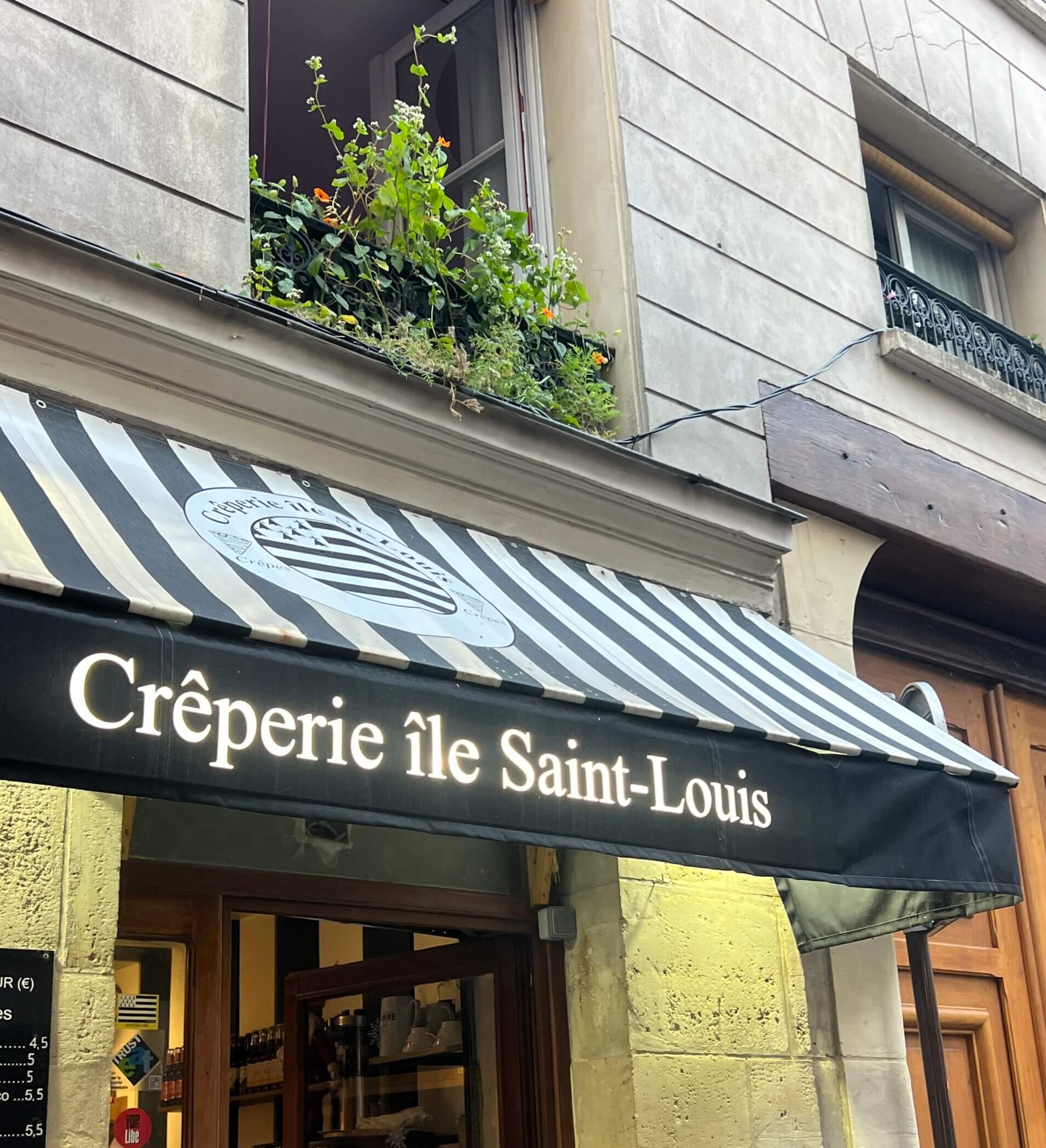
So my husband and I stopped by. Tiny, almost a hole‑in‑the‑wall, with one chef manning the grille, flipping crêpes and galettes with quiet precision, this is a place we would enjoy lingering. And we did. Everything is made from scratch so the queue starts early, but the staff takes good care of us, handing out small glasses of fresh‑pressed apple cider—Breton, I think—which might honestly be the best cider I’ve ever tasted.
We ordered a simple cheese galette, something warm and filling enough to battle the chilly evening. Galettes, by the way, come from Upper Brittany and are a cornerstone of Breton cuisine. They’re made with buckwheat flour (farine de sarrasin), folded into neat squares, and filled with savory ingredients like smoked ham and cheese—or more modern additions with smoked salmon and crème fraîche. Crêpes, by contrast, use wheat flour and are usually sweet, and more of a snack or dessert.
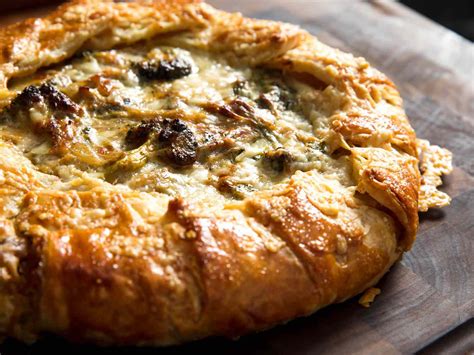
In French, “galette” basically translates to “flat cake.” So be prepared that in some pastry shops, it can be a rustic fruit tart. For us, the galette was a savory buckwheat pancake oozing with melted cheese that served as our cool weather evening meal.
A meal we would never forget.
-Rose-