My Day at the Culinary Institute of America
When people talk about learning to cook—seriously learning to cook—one of the first places that comes to mind is the Culinary Institute of America. With three locations, the CIA reaches across much of the United States: Hyde Park, New York, on the East Coast; San Antonio, Texas, in the South; and Napa, in Northern California’s Wine Country. With dozens of instructors and an expansive range of culinary programs, it offers something for nearly every aspiring cook.
My introduction to the CIA came on a crisp December day at the CIA at Copia in Napa. Napa is already a major food and wine destination, and the CIA is a perfect fit for those who want to explore cooking as a career—or simply take their skills to the next level. The CIA at Greystone, housed in a historic Christian Brothers Winery, is home to students pursuing a lifetime of culinary study. Copia, by contrast, welcomes food enthusiasts like me who want to sharpen their skills without committing to culinary school.
In addition to one-day classes, Copia offers three- to five-day boot camps, providing intensive instruction in a particular cuisine or culinary technique.
Step One: Introduction
I arrive at a large, modern building surrounded by culinary gardens. Students maintain the gardens, which are a picture-perfect example of what a vegetable garden should be. Gravel paths divide the beds, and there are benches so visitors can sit and enjoy the miracle of growth.
Inside, a spacious lobby opens to a curving staircase leading to the second floor. The commercial kitchens are there, with a wall of windows where outsiders can view the culinary transformations taking place inside.
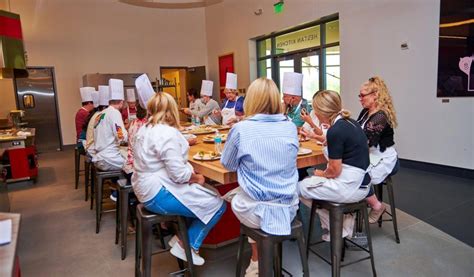
Eleven students take their seats on stools surrounding a wooden island. The chef introduces herself, and asks us to explain why we are here: birthday gift, bucket list, couple’s outing. The theme of the class is holiday entertaining and next we receive our handouts telling us what we’ll be preparing.
Our own version of Top Chef.
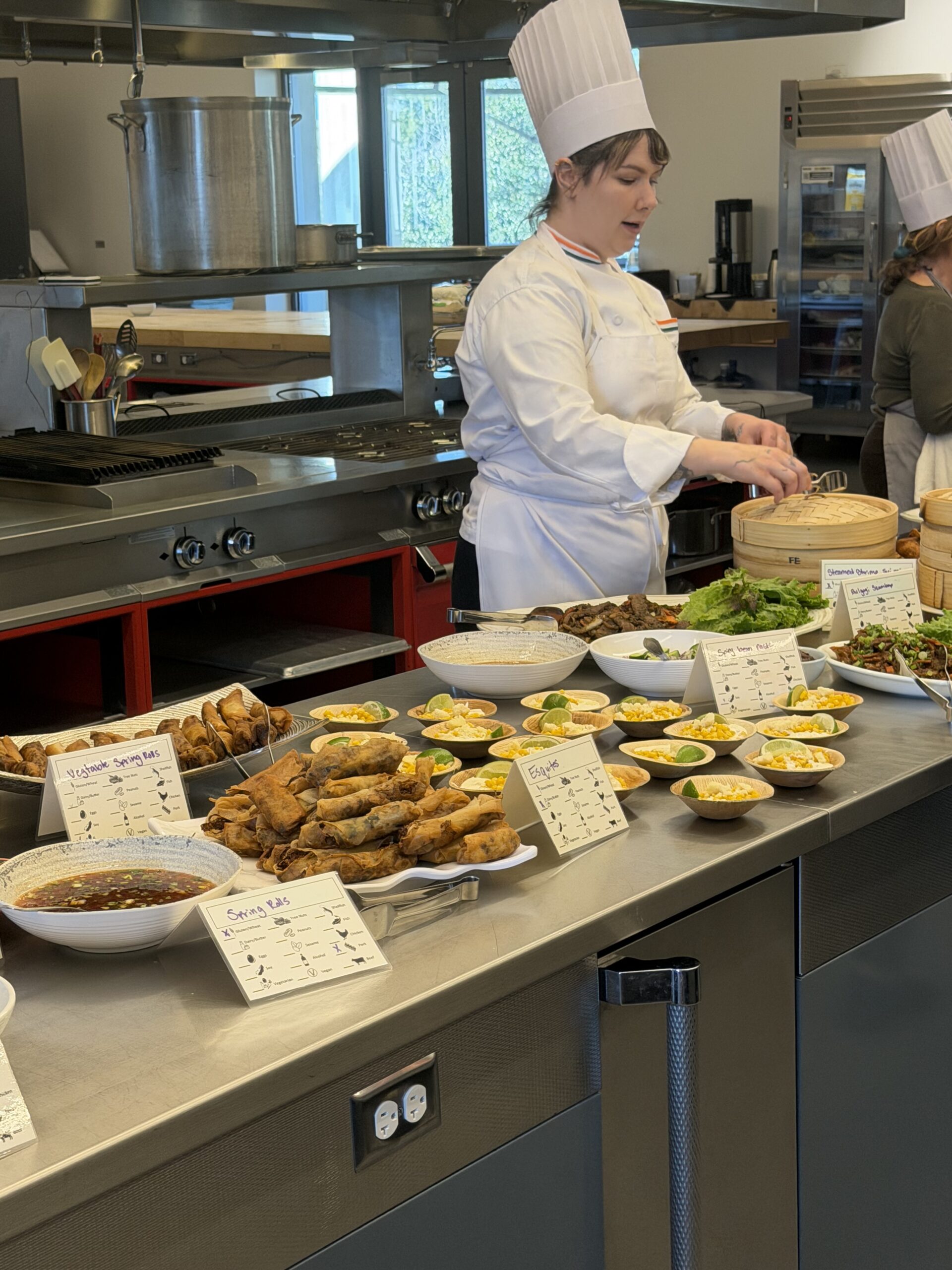
The immaculate kitchen, with its commercial Wolf stoves, offers little clue to the CIA’s humble beginnings. Founded in 1946 as the New Haven Restaurant Institute, the school served as vocational training for returning World War II veterans. There were just three faculty members—a chef, a baker, and a dietitian—and 50 students.
In 1951, it became the Culinary Institute of America. By 1969, enrollment had grown to 1,000 students, and a year later the school moved to Hyde Park, New York. In 2008, the CIA opened its second campus in San Antonio. The CIA at Copia followed several years later.
Step Two: Fire Up the Burners
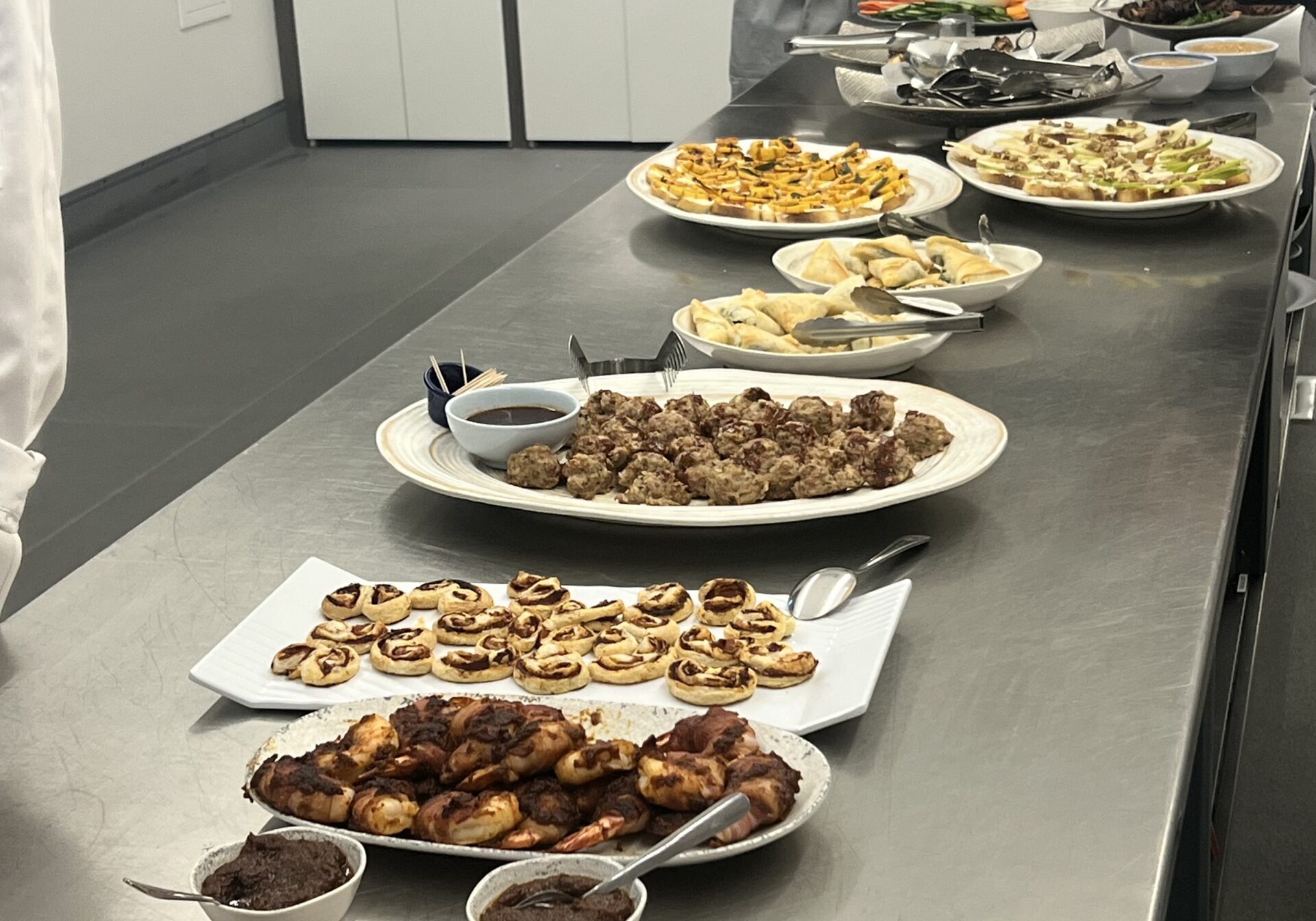
We are divided into four groups, with three or four recipes assigned to each group. The goal is to juggle multiple dishes at once. Our assignment: grill lamb chops, fill and fold palmiers stuffed with Parmesan and prosciutto, mold and brown fresh crab cakes, and serve everything within an hour so we can plate our dishes and enjoy lunch together as part of a communal meal.
Ten beautiful grass-fed lamb chops sit on a platter in front of me, begging for attention.
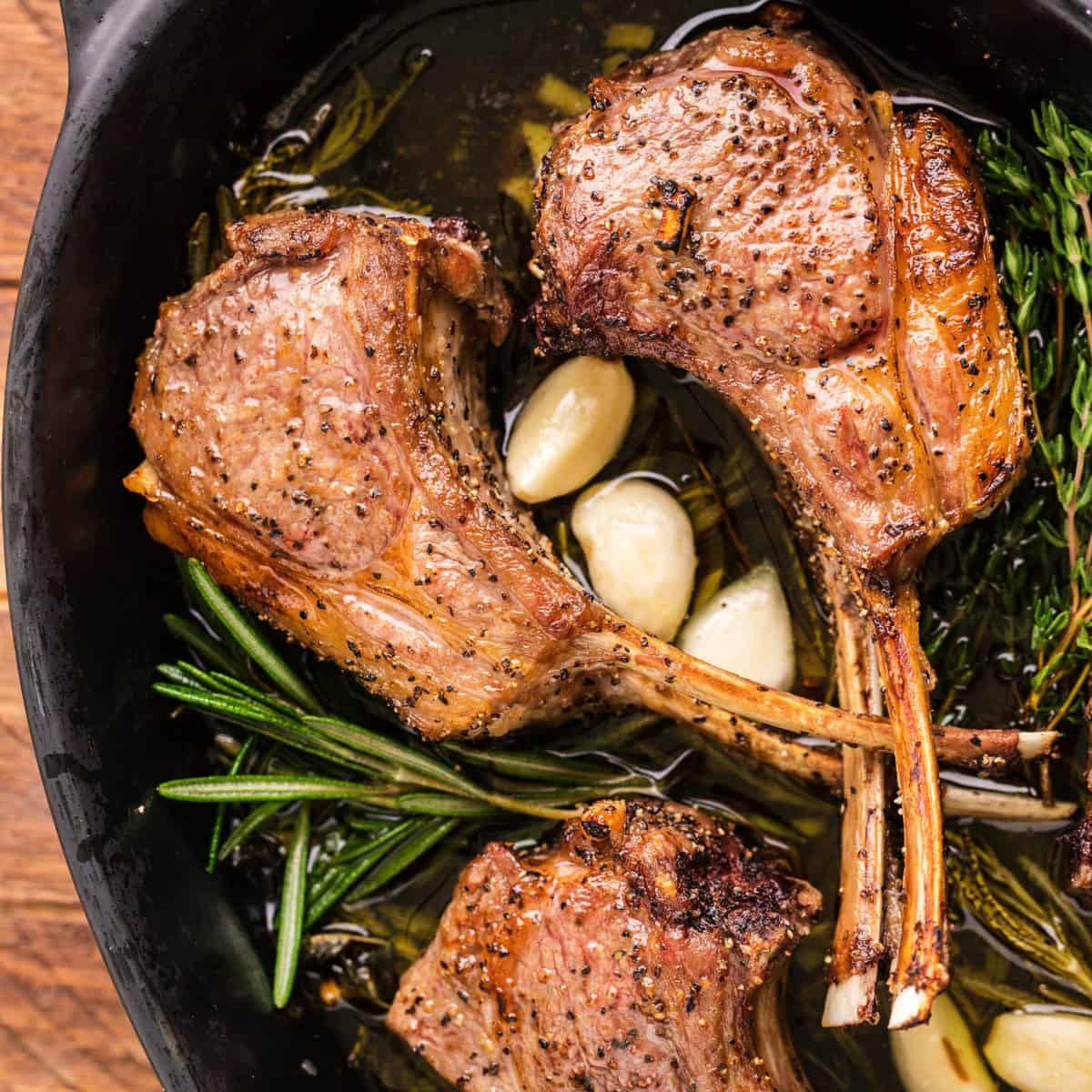
I fire up two burners on the massive gas stove and heat large skillets, pouring in oil. When the burners are cranked up, they produce an impressive amount of heat, and the oil is soon shimmering. After seasoning the chops, they are arranged fan-like in a pan, where they are browned on each side and placed on a platter.
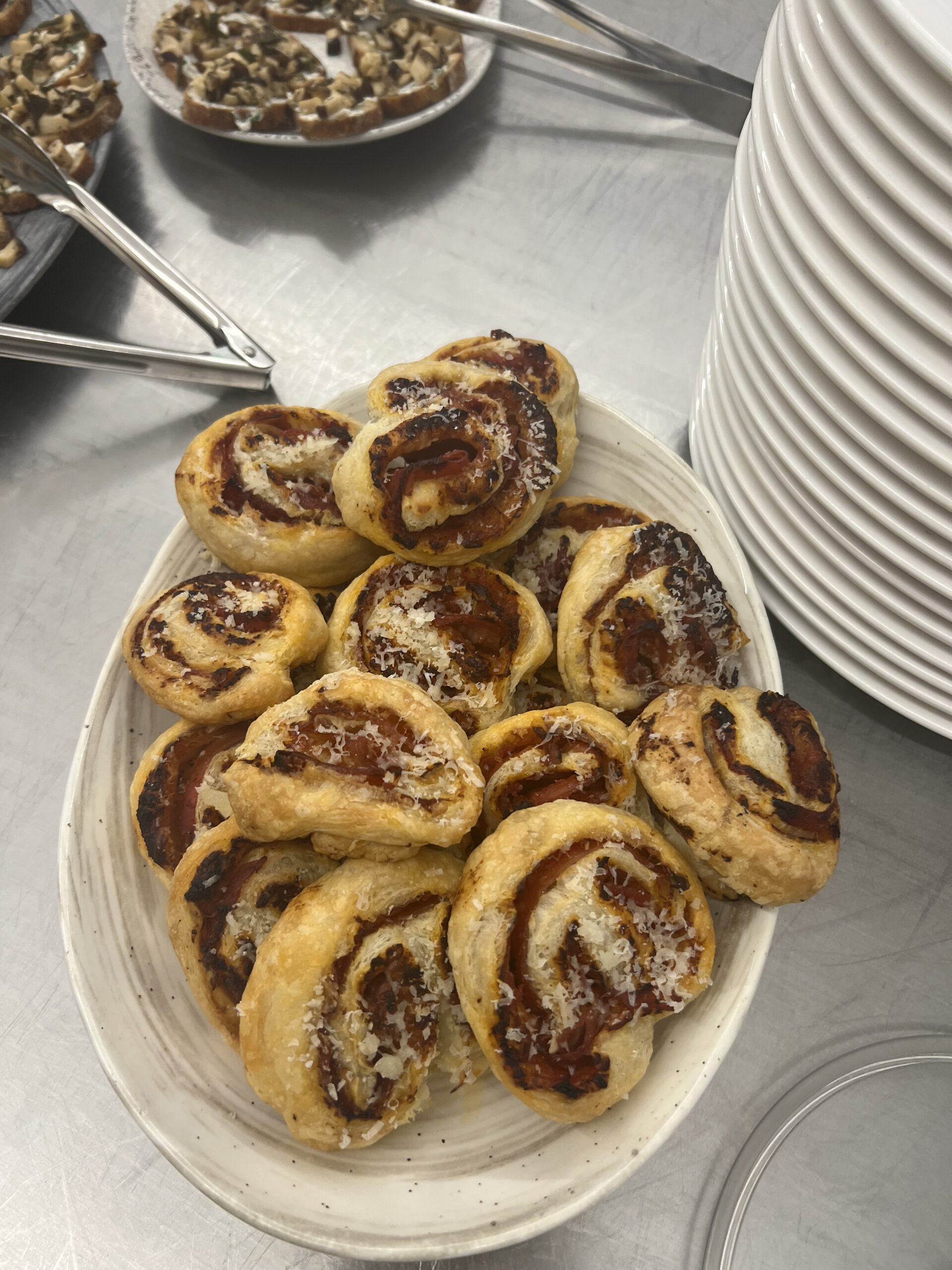
Next up: palmiers, delicious savory pastries made by rolling puff pastry into a rectangle, spreading with tomato paste, prosciutto, and freshly grated Parmesan, then rolling it up into a mock jelly roll. Here’s where you work quickly. If the dough becomes too warm, it loses its shape, so we pop it back into the freezer for 10 to 15 minutes to firm.
Once chilled, the dough comes out and is sliced into beautiful spirals. Arrange on parchment-lined baking sheets and slide them into the oven. Two of my teammates make palmiers instead of pizza on casual Friday nights.
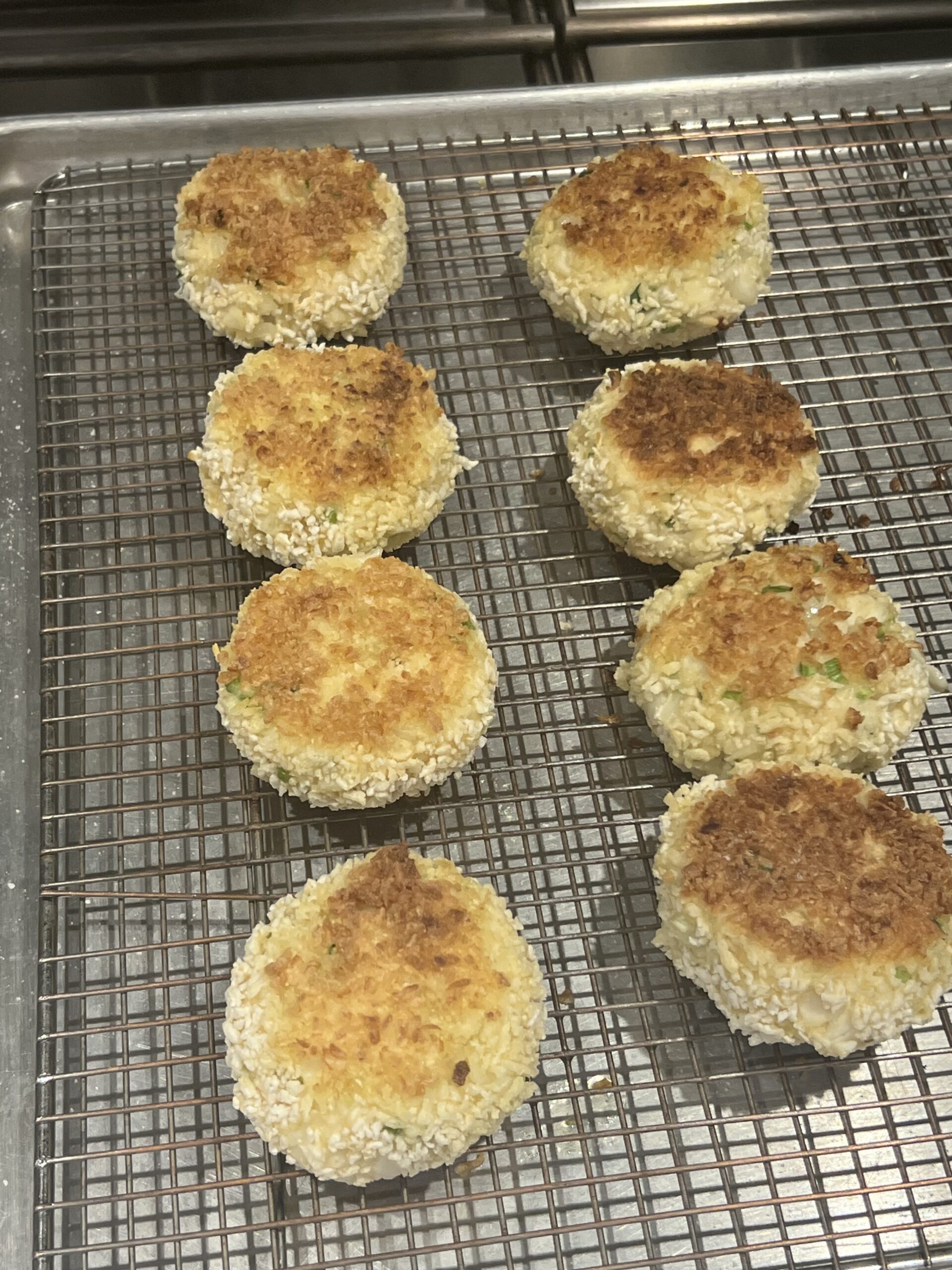
Finally: crab cakes. Easy-peasy.
I combine crab meat, celery, mayonnaise, and breadcrumbs in a bowl, gently folding everything together and tasting as we go, adjusting the seasoning as needed. The mixture is enough to form eight to nine patties, which go on a sheet tray, and into the refrigerator to chill before frying in a nonstick pan until golden brown.
Step Three: A Ticking Clock
The clock is ticking.
The 10-minute warning. Flashes of Top Chef. Everyone scrambles to finish, plate, and present their dishes before the buzzer sounds.
A long table is lined with beautifully crafted dishes. Students wait patiently to serve each item and find a seat.
Local wine is poured and there are toasts. The food is amazingly good.
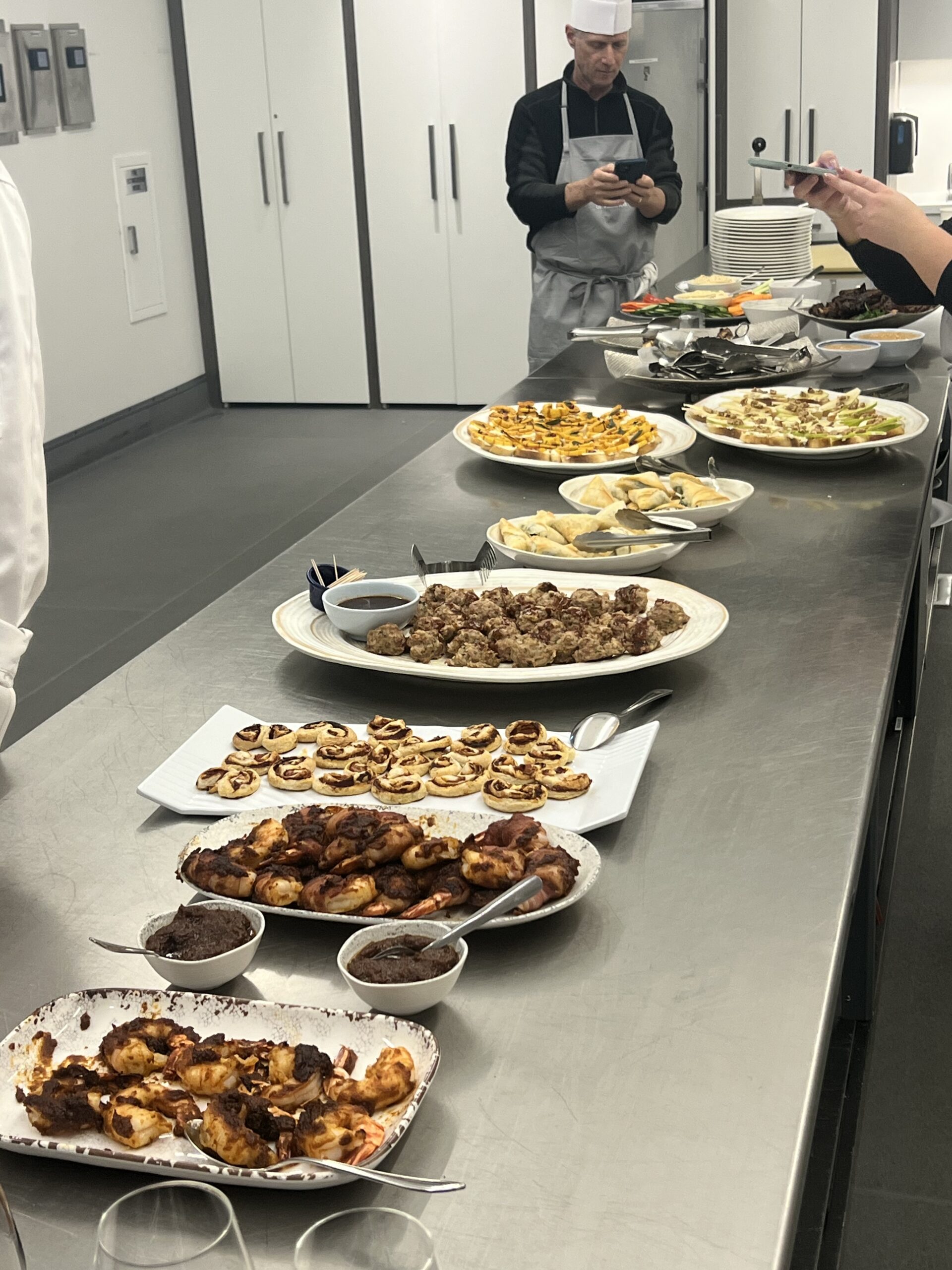
A feast.
The world may never know about our culinary talent, but we recognize the skill gathered in this room—talent that may never be showcased beyond the lucky family and friends who get to sample the results of these chefs at work.
Step Four: A Culinary Beginning
By the end of the meal, we are full, happy, and ready to leave. The classes are intense and nonstop. Everyone works as a team, but there’s constant pressure as each person tries create the best dish possible.
When I finally step outside, I am grateful for the fresh air and beautiful surroundings. I carry a large paper bag filled with leftovers to share with my patient husband, who has spent the day exploring Napa on his own.
This is his time to enjoy the fruits of our labor.
And perhaps, just perhaps, the birth of a chef.
-Rose-
To find out more about the CIA, visit www.ciachef.edu. Classes range from one-day intensives to weeklong boot camps which focus on one particular cooking style or cuisine. If you are spending the night, hotels near the Napa location include the Westin Verasa Napa, Archer Hotel Napa and River Terrace Inn.