Must-see Colonial Villages Along the Eastern Seaboard
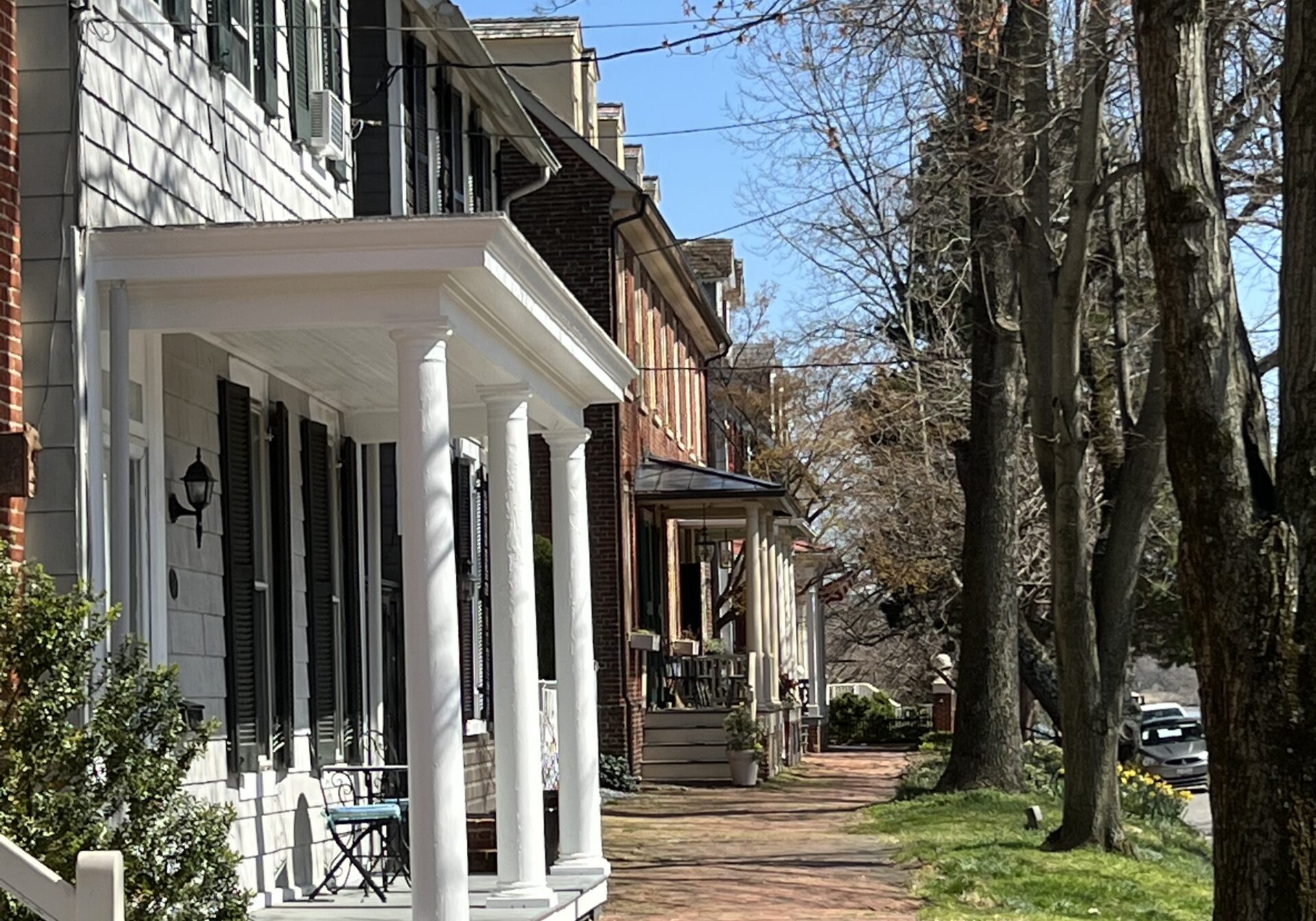
The Eastern Seaboard is full of surprises, from historic towns steeped in maritime heritage to quaint hamlets perfect for a relaxing getaway.
Whether you’re a history buff, a shopaholic, or someone who just loves to explore revolutionary-era communities, these four towns are the ideal places to stop on your journey.
Lewes, DE
 Lewes is one of those charming coastal towns that has something for everyone: colonial-era buildings, pristine beaches, and quaint shops nestled between sidewalk cafés.
What to know
Located along the banks of Delaware Bay, Lewes was established in 1631 by European settlers as a Dutch whaling community. Its distinctive Zwaanendael Museum is designed to resemble the city hall in Hoorn, Holland, and showcases exhibits on maritime history, the War of 1812, and the pivotal role of river pilots in navigating the region’s coastline.
For more nautical history, head to Lewes’ two historic lighthouses: the Delaware Breakwater East End Light, built in 1885, and the Harbor of Refuge Light, dating to 1908.
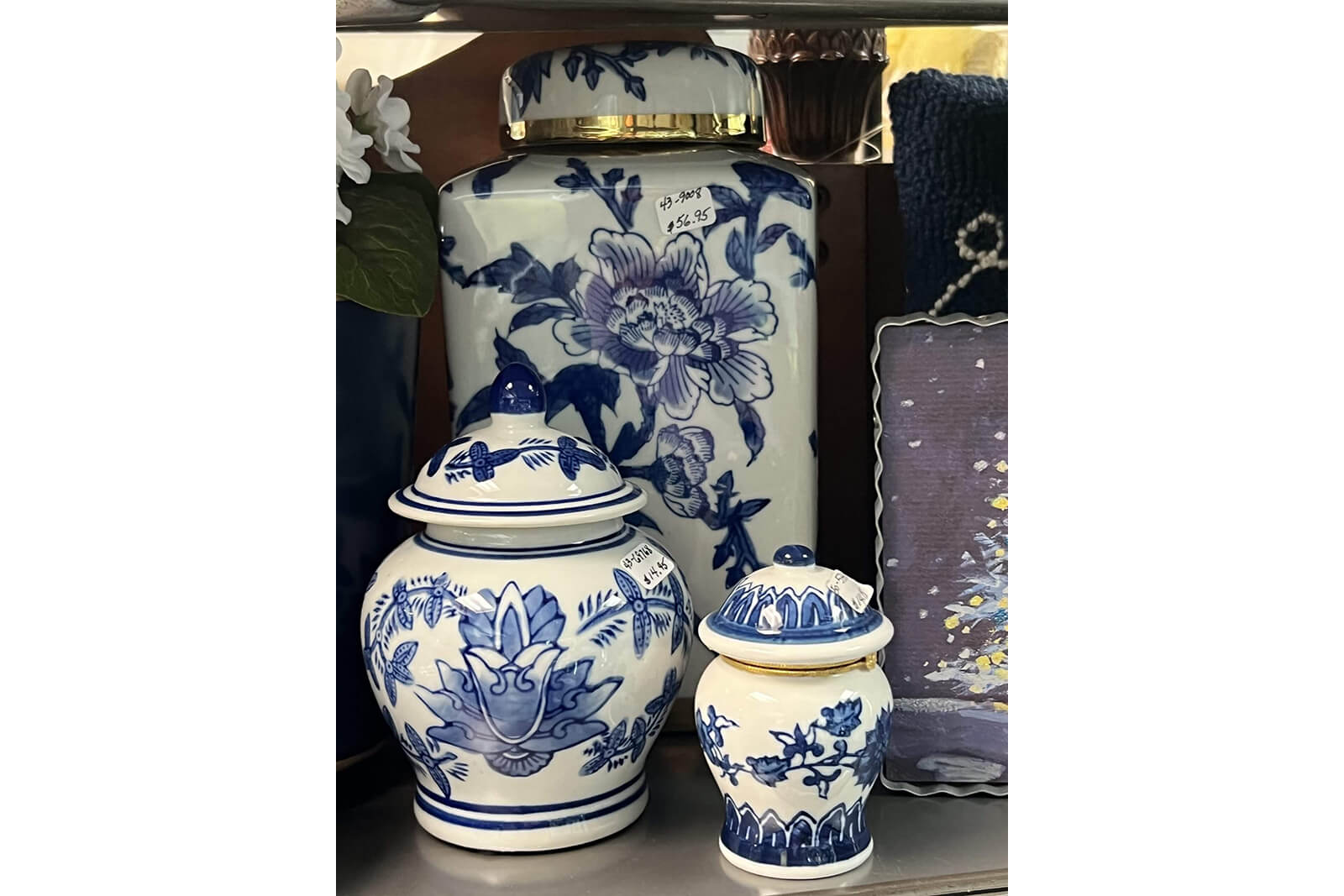
Those with a shopping urge should head to Second Street, lined with stores offering everything from beach attire to antiques. A favorite is Beach Jetty, chockfull of stylish clothing and nautical decor. Lewes Gifts sells quirky colorful, seaboard-themed items. On the edge of town but worth the drive is The Brush Factory, a former brush factory converted into a coop of artists and merchants. The Brush Factory is near The Station, another historic building converted to a cafe and garden-gift center.
If time permits, climb aboard the Cape May-Lewes ferry for a lovely 85-minute journey to Cape May, NJ.
Chestertown, MD
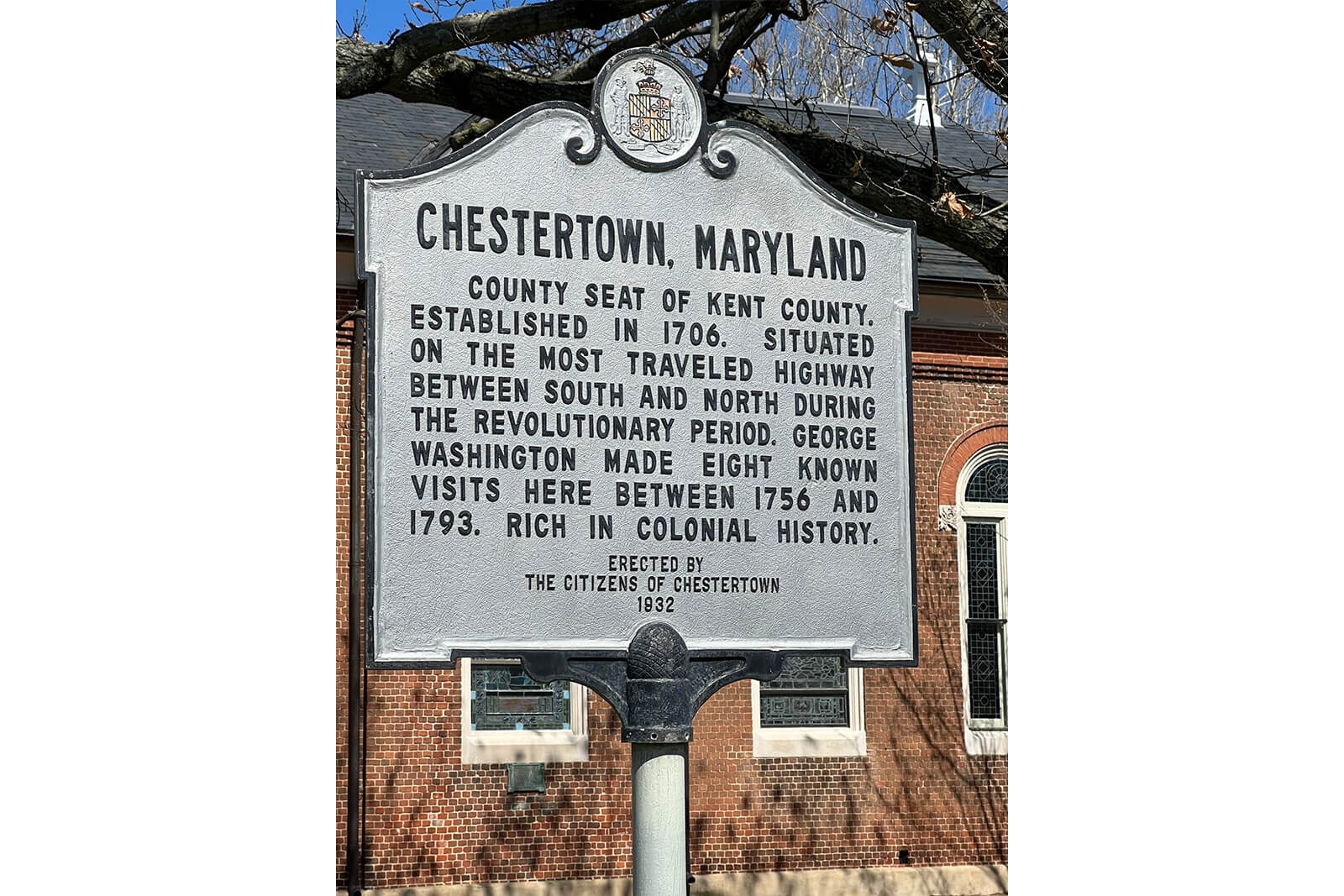 Nestled along the Chester River, Chestertown dates to 1706, when it was established as a port for commercial ships. It was later designated an English Royal Port of Entry and now boasts a charming downtown, peaceful riverfront setting, and one of the largest collections of Colonial homes in the region.
What to know
Don’t let Chestertown’s quiet charm fool you. In 1774, the town staged its own rebellion against the British when local shore men dumped huge boxes of tea into the Chester River. This tribute to their Boston counterparts can be relived every May when the Tea Party Festival takes place in commemoration of that revolutionary day.
Chestertown also celebrates its maritime history with the Tall Ship and Wooden Boat Festival when visitors climb aboard vintage vessels and set sail around Chesapeake Bay.
Before leaving Chestertown, drive by Washington College, established in 1782 as the first college chartered in the sovereign United State. It is named for General George Washington, who served on the university’s board and donated 50 guineas to the college founding.
Centreville, DE
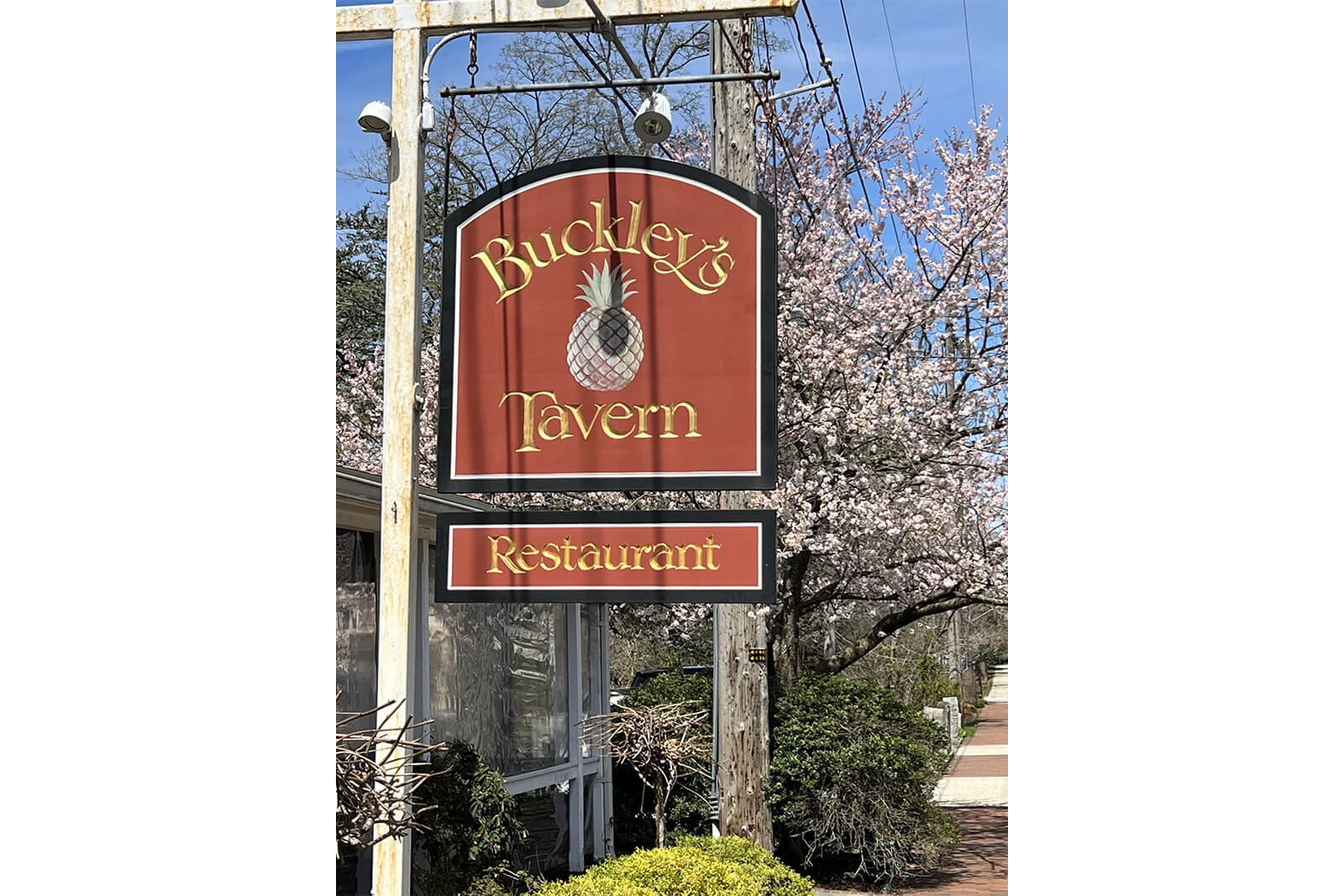 Located along Kennett Pike and nicknamed “Chateau Country” for it huge equestrian estates, Centreville exudes a quaint, small-town vibe. This is also Biden country. The former President’s home is here, and Buckley’s Tavern, a Biden favorite, is still the gathering spot for a pint after work.
What to know
One of the best reasons to visit Centreville is the array of 18th and 19th century buildings, many housing local businesses. That two story Victorian in the heart of town is Centreville Place: Café + Market, a two-story eatery with a menu of salads, soups, and sandwiches made fresh every day.
Another popular stop is The Beehive, tucked back from the street in a two-story cottage. The first level is filled with seasonal gifts and artwork, and the second floor has an array of antiques and small furnishings. The inventory changes with the seasons and might include seashell tiles, linen napkins with fall foliage or butter knives with pinecone handles
Just down the street is Adorn, chockfull of candles, napkins and glassware. Found is steps away and has vintage chairs, sofas, pillows, and prints.
St. Michaels, MD
Named for an Episcopal parish built in 1677, St Michaels was once a bustling hub for traders and farmers. By the war of 1812 the town was a major shipbuilding industry with some six ship builders producing the legendary Baltimore Clipper, a zippy schooner that would help militia outrun pirates or foreign naval vessels at sea. The history of local shipbuilding can be found at the Chesapeake Bay Maritime Museum, hosting tours, shipbuilding classes and lectures on the latest activities at sea.
What to know
Seafood is a big reason to visit St. Michaels. Besides buckets of steamed clams, foodies can indulge in Chesapeake Blue crabs, soft shell crabs and locally made craft beer at any of the waterfront eateries on the wharf.
St. Michaels has just a handful of hotels, but the historic Inn at Perry Cabin is well worth a splurge. Set on 48 acres of waterfront property, this luxurious inn includes an herb garden, a tennis court, a bocce ball court and a decadent spa.
– Rose